In such a scenario, where tech and connectivity are so crucial and essential, the traditional players can no longer rely on their traditional expertise and are thus forced to lean on startups to “carry” them in this transition.
Just in the past two years traditional auto players (manufacturers and suppliers) have spent a combined $74.4 billion investing in new startups (VB 2016): if we compare this to the annual average of $17.7 billion in the industry in the past decade (VB 2016) we can noticeably see something is deeply changing.
As Brian Brennan, a senior vice president of Silicon Valley Leadership group, says “a large and growing proportion of a car’s value is tied up in software that underlies its various systems” (Mercury News 2016). Software has become more and more enticing for consumers and auto brands have to adapt.
This is why car manufacturers such as GM, Toyota and Volvo have all invested billions of dollars in startups working on auto software or autonomous vehicle technology. But as manufacturers are trying to stay afloat by acquiring the technologies and the human capital from startups, auto suppliers who were once partners in the car manufacturers supply chain are now competing in the same territory and are now also been gearing up on software: H.I.I. bought two software companies in 2015 for a combined $950 million, while Intel also bought two companies for their assisted driving software and autonomous machines divisions (VB 2016).
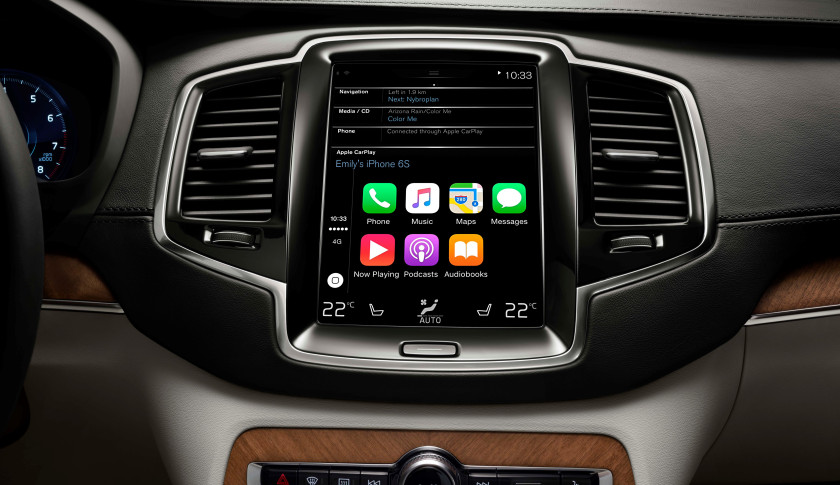
Also, alpha tech players such as Apple and Google, who have previously partnered with car manufacturers to implement infotainment systems that would integrate with their operating softwares and technologies (i.e. Apple and Volvo working close to integrate CarPlay), are also stocking up on talent before bracing for going the opposite route and investing in hardware (see Apple’s recent interest in acquiring British car brand McLaren)
Meanwhile, traditional car manufacturers are also losing ground and influence on ride-sharing platforms and operators such as Uber, Didi and Lyft who have essentially turned the globally established car brands in their hardware suppliers. Uber acquired self-driving truck startup Otto in the same year the startup was founded “allegedly to gain access to the pool of former Google, Apple and Tesla staff that Otto had hired” (VB 2016).
The future of the industry is unclear: the only thing that’s clear is that it will be radically different from the current landscape and that software and autonomous technology will decide its direction. Companies who were once in different stages of the supply chain are now all competing against each other in this race, and acquiring startups is the fastest way to set themselves apart from the competition. What is also not clear is who will get there first: it will be interesting to see who will come out as a winner at the finish line.
Who do you think is best poised to succeed? Do you think it’s more a matter of core competencies or acquired resources and expertise?
References:
http://venturebeat.com/2016/10/09/auto-industry-heads-into-fierce-software-race/
http://www.computerweekly.com/news/450400020/How-software-is-reshaping-the-car-industry
https://techcrunch.com/2015/01/22/harman-buys-symphony-teleca-for-up-to-780m-and-red-bend-for-170m/
http://fortune.com/2016/03/10/toyota-jaybridge-robotics/
http://fortune.com/2016/03/11/gm-buying-self-driving-tech-startup-for-more-than-1-billion/
https://www.theguardian.com/business/2016/sep/21/apple-talks-buy-mclaren-formula-one-supercar
http://www.mercurynews.com/2016/09/30/volvo-to-open-silicon-valley-research-center/
http://fortune.com/2015/12/08/volvo-apple-carplay/
http://www.autoblog.com/2016/10/06/panel-startups-jump-starting-the-auto-industry-upshift-2016/