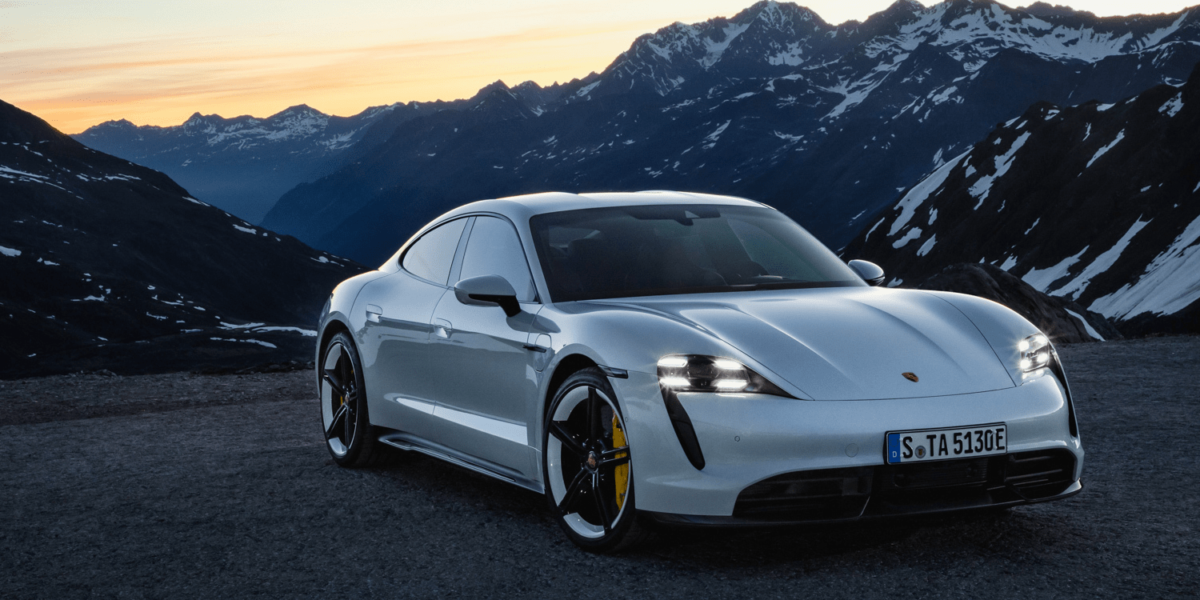
Battery-powered electric cars have increasingly garnered attention in the last ten years as a replacement for fuel-powered engines. Marketed as a revolutionary product that will cut our CO2 emissions and make cities greener, consumers and politicians alike are being told these cars are the only viable way to a greener mobility.
Electric cars, however, emit CO2 indirectly in comparable amounts to regular fuel-powered cars. The production of a lithium-ion battery for cars requires enormous amounts of energy and rare earths that are difficult to source. In fact, even though electric cars do not emit CO2 once they’re actually used, a driver of a fuel-engine car could actually drive 50’000 km before surpassing the carbon footprint of a new electric car. Even once the electric car hits the road, the energy it’s powered with has to be green in order to not emit further CO2. The amount of CO2 emitted during the production process also greatly varies depending on the production country and the predominant energy source that country uses.
Nonetheless, efficiency was never expected from the start. Engineers are constantly working on ways to improve batteries in terms of capacity, size and production just as energy consumption as a whole in developed countries is gravitating towards greener alternatives.
To truly drive innovation in this field, consumer demand and infrastructure must match this effort and create incentives for businesses. This means governments subsidizing electric car purchases and charging stations as well as consumers choosing electric cars over fuel-engined cars in spite of higher prices and lesser convenience.
Sources:
Shades of Green: Electric Cars’ Carbon Emissions Around the Globe
https://www.bloomberg.com/news/articles/2018-10-16/the-dirt-on-clean-electric-cars
https://e-csr.net/hydrogen-electric-cars-sustainability-28156/

Thanks for the post. This makes me pose quite some questions: what would be the long term effect as we grow the industry, how do we get cars truly green if nations are still running on fossil fuels? I still think that there is the direct benefit, but how much energy is required to produce a gas powered vehicle? Let’s hope that we discover better materials to produce batteries indeed!
Thanks for sharing. I believe electric cars still have a long way to go before it fully disrupts the traditional fuel-powered cars. They have been suffering from limited popularity for two reasons: The battery and the charging infrastructure as you mentioned. This is also one of the reasons why hybrid vehicles have been widely adopted by the manufacturers and customers for the time being instead of pure EVs.