General Electric (GE), one of the largest corporations, is having hard times in the new pandemic world. It is not a first for the company, as it has struggled in the last years to stay afloat.
Since February, when GE’s stocks were steadily climbing to a 13.16$ in February 2020, the pandemic created a free fall on the stocks, in the present days dropping below 6.5$, the lowest it has ever been.
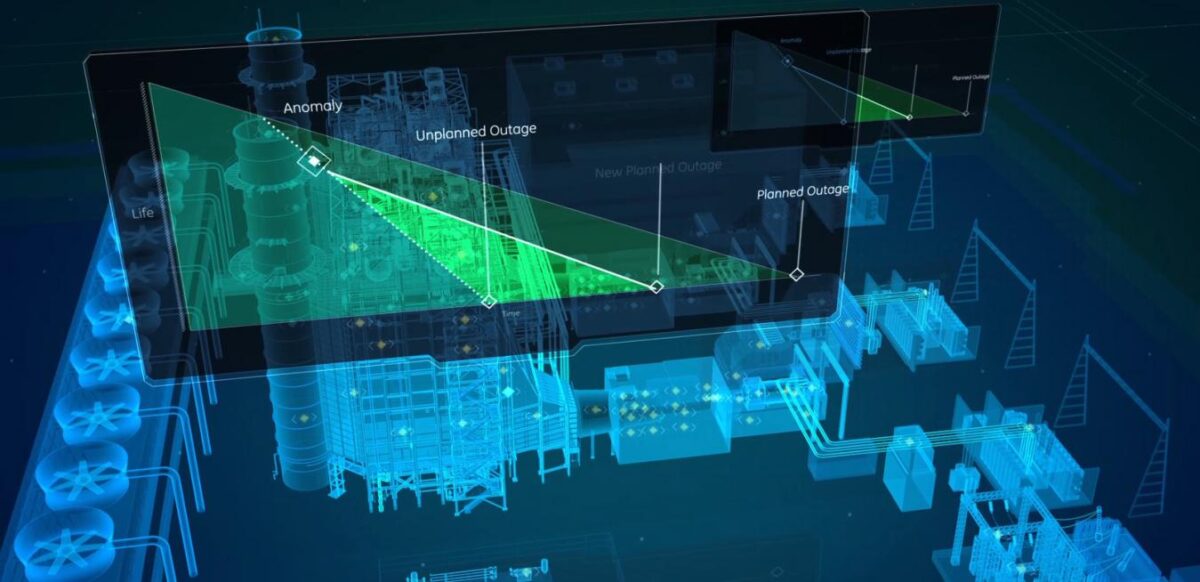
In 2013, GE started considering its turn to digital transformation with its software platform, Predix. The software was intended to combine big-data analytics, asset management, machine-to-machine communication, security, and mobility. GE Digital was born in 2016, employing more than 1500 employees.
What went wrong? GE’s business units needed technological development, thus the insights of GE digital. Almost all the revenue of GE Digital came from its internal units. Moreover, when the unit had the chance of partnering with external customers the generation of short-term revenue was the goal due to its quarterly income statement which was focused on profits and losses. Thus, combining internal needs with outside partnerships only focused on short-term revenue did not work for GE Digital and Predix.
What are the take-aways from GE Digital failure?
- The need for the internal digital transformation of other business units such as jet-engines, railroads, wind turbines has made it impossible for GE Digital to connect with external partners;
- The desire to digital transform all GE business units contributed in the fall of GE Digital, as there were too many projects to focus on at the same time;
- The short-term revenue-oriented objective has limited GE Digital to explore different initiatives and partnerships that required long-term investments.
GE Digital renewed
In 2018, GE announced the emergence of a new industrial software business combining the old GE Digital with GE Power Digital and GE Grid Solutions, referred to as GE Digital 2.0, with its Predix platform being renewed. In July 2019, GE Digital announced a new CEO, which looks like a fresh start for the business, as GE Digital has separated from its parent company. Thus, learning from past mistakes, GE Digital could focus on developing software business by improving its Predix platform and creating more business opportunities.
On the 5th of April, GE Digital Grid helped in the organization of the nine-minute light power off in India, where more than 1 billion people showed solidarity for the fight against COVID-19. Without the help of GE Digital, the power system could have collapsed with such a sudden decrease in demand. Currently, GE Digital has multiple projects that show a big potential of what the company could do in the near future.
On the other hand, GE Digital still has weaknesses that put the business at risk, such as:
- As GE Digital was a failure, in the beginning, it now has attached to its name a damaging reputation, thus it will need rebranding and more projects such as the one with the Indian government;
- As its parent family faces challenges in the new pandemic world, customers can shift their view of partnering with GE Digital;
- Competing in the IoT industry is risky, as big competitors such as Bosch, Siemens, IBM, Microsoft are involved in the IoT software; GE Digital should consider investing more in its Predix platform by coming up with more software packages.
GE Digital’s future depends on the next steps it will take. Will it start creating more value for the company by investing in Predix and other projects, or will it still be limited by its parent company?
References
https://www.ge.com/news/reports/2015-in-review-ges-digital-industrial-revolution
https://www.forbes.com/sites/forrester/2018/12/14/ge-announces-new-industrial-iot-software-business/#4888a75a4b1c
https://www.inc.com/alex-moazed/why-ge-digital-didnt-make-it-big.html
https://www.ge.com/digital/customers/posoco-and-ge-digital-ensure-power-grid-stability-during-national-show-unity
https://www.investopedia.com/insights/rise-and-fall-ge/
https://hbr.org/2014/11/digital-ubiquity-how-connections-sensors-and-data-are-revolutionizing-business