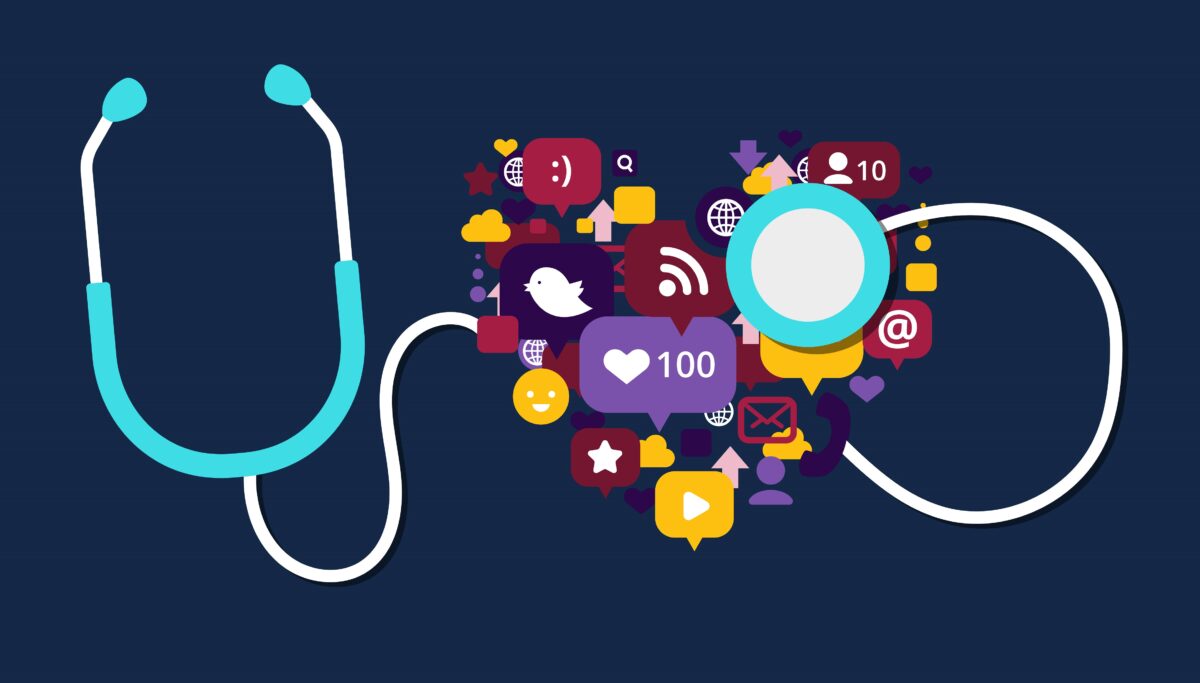
80% of the users on Twitter believe that social media really listens to our conversations. There has been an ongoing discussion of whether social media applications are listening to us. We really believe that once we talk about something, for instance: Ben & Jerry’s, we get bombarded with ads on Instagram, but do social media apps really listen to us?
In 2016, there was a controversy with Facebook, where the audience accused the company of collecting data by using the microphone. Although, this cannot be true because of privacy laws (and not to mention it is completely illegal). Social Media goes on step further and encrypts messages when they are sent so third parties cannot access or retrieve data. Think about it, if an app were to record everything you said 24/7, it would be impossible to track everything, pick out relevant information and then provide ads for it.
So then? How does our social media track us so well?
Here comes in algorithms and digital marketing. Social media developers are more efficient and instead use algorithms to pick up relevant information about a user. They might not listen to you but are capable to build a profile about you based on your demographics, app usage, pictures etc.
Don’t believe this? Do a test and see for yourself, talk about random things and see if the ads pop in? Usually they won’t. Another test could be to deny access to your microphone for all the apps and check if you still receive the same ads?
Companies have powerful algorithms so they can micro-target their advertising. Social monitoring relates to the tools and platforms used to provide with all relevant information about its customers and its needs. Social listening goes a step further, and proposes a conclusion based on the data collected. It gives brands opportunities to analyse and indirectly respond to conversations about them online.
In conclusion, data and information is powerful and is essentially everywhere. There’s a grey area as to how to use this data appropriately and who essentially owns it. Nevertheless, app developers do not listen into our conversations using microphones but instead use technology to work more efficiently.
References:
Listen and Learn: Do Social Media Apps Eavesdrop on Our Calls?
https://www.welivesecurity.com/2020/02/24/is-your-phone-listening-to-you/
https://www.capgemini.com/fi-en/2020/07/impact-of-5g-on-social-listening/

Very insightful ! It is true that we have a tendency to believe that social media apps really listen to us. But I agree with your blog, it would be technically and legally impossible for them to do so. In my opinion it is even more mind-blowing that our social medias do get that much information about us without actually hearing our conversations. Algorithms are tailored to our needs and thanks to that we are able to get a better customer experience by always finding what we need without asking for it. However, it is important to think about the potential dangers that could arise through that and the data privacy issues that follow. I am curious to know how this will evolve in the future
Thank you for your comment! AI is officially scares me now haha!
Nice blogpost! Sometimes it’s really scary to see a specific ad the day after you talked about this product. I think mostly we are not aware of this “micro-targeting”. Really interesting to see how the algorithms for marketing work!
I also have a thing to add: Indeed, some apps are using a software called Alphonso that is actually listening and using your microphone. However, its not primarily used to track your conversations, but was invented to decode audio signals to see which movies/TV channels.. you’re watching and based on this, analyze your consumption behavior. See: https://www.hotspotshield.com/blog/smartphone-apps-listening-conversations/ and many other sources about Alphonso. Some people are not really sure if it also listens to your conversations, according to the company only the audio signals from TVs and so on are being processed. The Alphonso software is included in many apps and can even access your microphone if the app is closed. An example of an app using it is Shazam, but I think there are many more app providers that do it but don’t say it publicly…
Thank you for you comment,
Good to know about the app Alphonso, had no idea.
Hi Malvika, thank you for your interesting blog post. It is very informative. Last week I had dinner with a friend. She was telling me about a platform where you can create your own website. I have never heard about this platform before and also did not google it. The next morning, however, I received an ad of this website on my Instagram. Coincides? I don’t think so. Even though I agree with you that social media platforms build a profile based on your demographics and interests, I still cannot explain how I receive an ad like this.