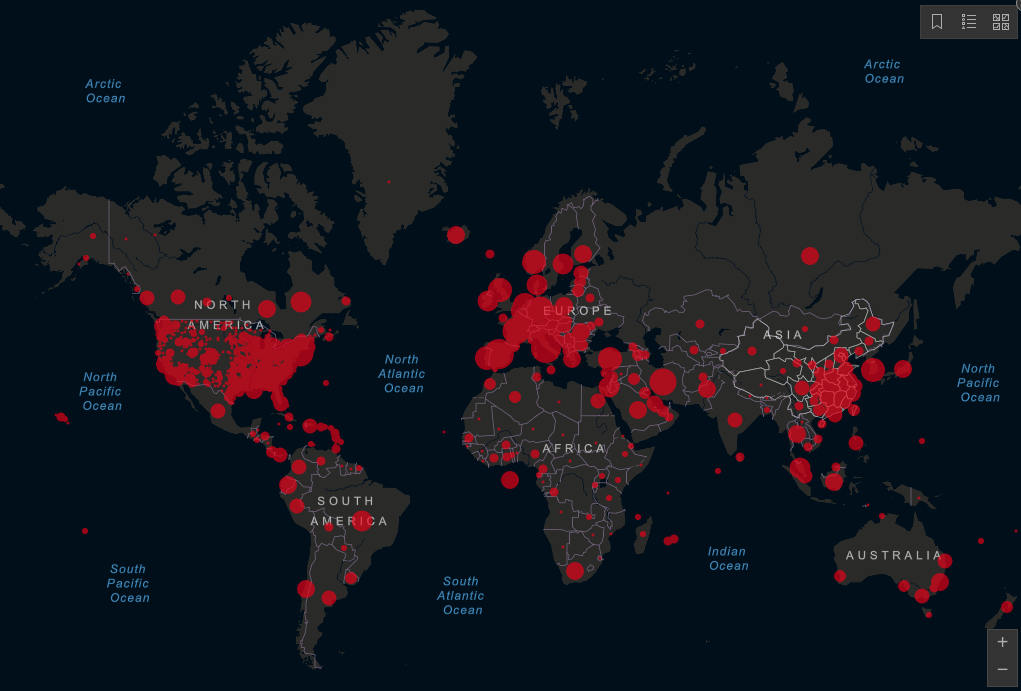
Even though epidemiologists have warned us about the threat of a pandemic, the world was far from prepared when the current COVID-19 pandemic hit. One and a half years later, we are finally getting our everyday lives back. However, looking back on the COVID-19 outbreak, what will hindsight tell us. More importantly, what have we learned to better prepare for the next pandemic.
Currently, the systems we have to combat the pandemic are too slow. First, a new case needs to be reported to the authorities and then recorded by the World Health Organization (WHO). They gather the data in their Global Outbreak Alert and Response Network to analyze and identify if an outbreak could be harmful. As we have seen with the current pandemic, COVID-19 had already spread around the globe by the time the WHO communicated their conclusion. Hence, to reduce the threat from new diseases, data worldwide has to be continuously gathered and analyzed for a quicker response.
As seen from Israel’s experience analyzing real-world data and quick response helped decrease the number of serious infections. The country was a pioneer in rolling out the Pfizer vaccine to more than half of its population. Also, closely tracking their results, Israel’s hospitalizations and infections were quick to decline. Nevertheless, there are more ways to combat and even prevent disease outbreaks utilizing current technologies and data.
In Thailand, they believe that the community should be more involved in preventing outbreaks. A Thai national developed a digital surveillance app called Participatory One Health Disease Detection (PODD) for detecting diseases in animals that could eventually pass to humans. This system relies on volunteers to report data to identify disease outbreaks and will then notify the research organizations. Two hundred ninety-six volunteers reported 1029 abnormal events in their environment during a trial, including sick or diseased animals. Afterwards, a report stated that a total of 36 potential disease outbreaks were successfully detected and controlled.
The WHO is designing a hub as part of their Health Emergencies Programme; this will bundle the resources they are already utilizing. Diverse partnerships in multiple disciplines, data, the latest technology and intelligence will all be combined and shared for governments worldwide to use. This hub will support experts and health organizations to create better forecasts, detect and assess and pandemic risks faster.
Everyone will have to contribute to preventing the next pandemic, starting with the global agencies down to the individuals. With the right experts to analyze the correct data, we can understand the ongoing impact of COVID-19 and gain the necessary insights to take appropriate actions to detect and hopefully prevent a future pandemic.
Sources:

Hi Olivia, what a great and representative blog for this moment in time. I think we all agree on a practical level that data could help us in preventing a new pandemic. However, I am not sure about the effects of the human component.
In Hongkong, confirmed cases of Covid were, however somewhat anonimized, publicly avaliable through a platform from the government. On this platform, the data of residents who had to stay in quarantine was shared and on an interactive map one was able to see what adresses had to stay in quarantine and for howlong. This was in order to create a multiple eyes society where you could help your neighbour to stay inside and provide if needed. On the other hand, this played into the hands of a larger division in society.
If we look at the way how data was used in Hongkong and take a look at the current situation in the Netherlands, we see that there is a much higher value to data in the Netherlands and we worry and protest a lot more. Since we want to give everyone a choice, I am curious what your thoughts are on this collective idea of sharing data for the greater good and the pay off with privacy and culture and how these are sometimes in contrast with eachother.