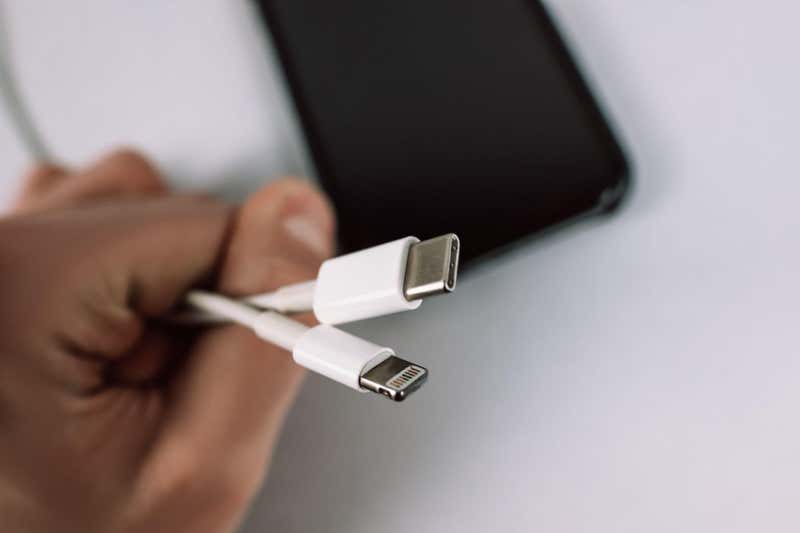
Are your chargers piling up in your drawer? A new rule proposed by the European Commission forces manufacturers to produce a universal charging solution using Type-C USB for small electronic devices such as smartphones. As Apple has been the sole company with the lightning cable, is this a delightful news or a nightmare for them?
New Regulation
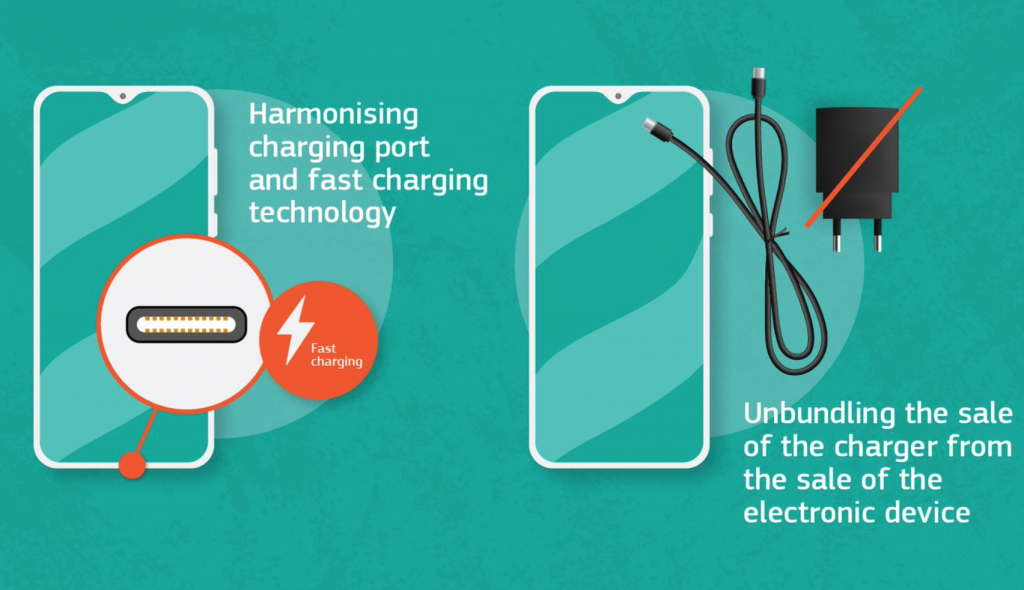
On September 23rd, the European Commission (EC) has announced its proposal that all small electronic devices in the EU must have the USB-C charger. Small electronic devices include: Smartphones, tablets, cameras, headphones, portable speakers and handheld video game consoles. Smaller electronic devices such as earbuds, smart-watches and fitness trackers were not considered for technical reasons linked to size and use conditions. This proposal also standardizes the charging speed as USB-C was known for its fast-charging capabilities, which will no longer be a selling point.
Waste Reduction
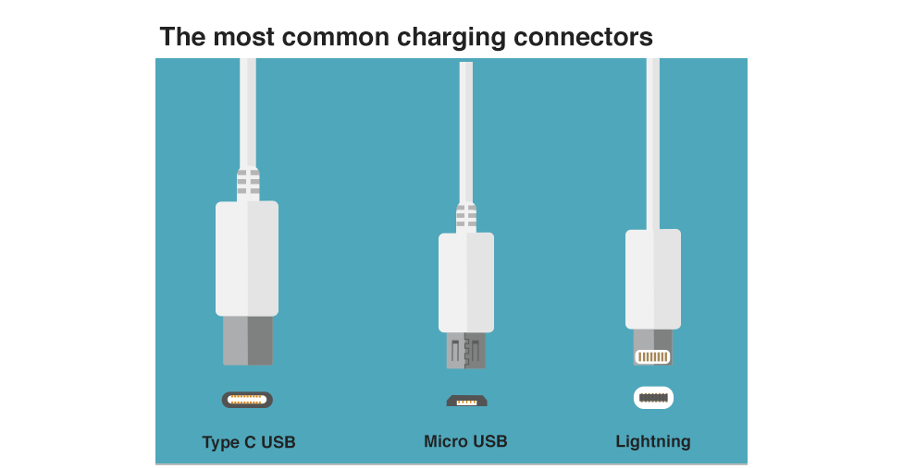
According to the EC impact assessment in 2019, around half of charging cables sold with a phone were micro-USB, 29% were USB-C and 21% were lightning connectors from Apple. This is already an improvement compared to the 30 different charging cables that were on the market back in 2009. However, the research estimates that around 11,000 tonnes of waste are generated per year from unused charging cables. Therefore, the EC suggests that unbundling the sales of the chargers from the sales of smartphones, and having only one common charging cable for all your devices would lead to less waste production.
Apple’s Response
As we can all imagine, as the innovators of the lightning cable, Apple will be the one to take a big hit. Its response to this new proposal was the following: “We remain concerned that strict regulation mandating just one type of connector stifles innovation rather than encouraging it, which in turn will harm consumers in Europe and around the world.” This is a sound argument from Apple as the investment in charging cables will have to become more of a collective effort between different tech companies. Possibly leading to slower innovation. However, Apple has a clear incentive for refusing the universal charging port. Losing its Made-for-iPhone licencing program will lead to tens of billions of losses.

Does it also encourage innovation?
While Apple says that this regulation proposed by the EC will stifle innovation, it could be said that it will encourage innovation specifically in smartphones. As the charging ports become universal, the switching costs for the customers will decrease. Therefore, the competitors will strive for a more innovative smartphone instead of focusing on competitive chargers.
Apple’s History
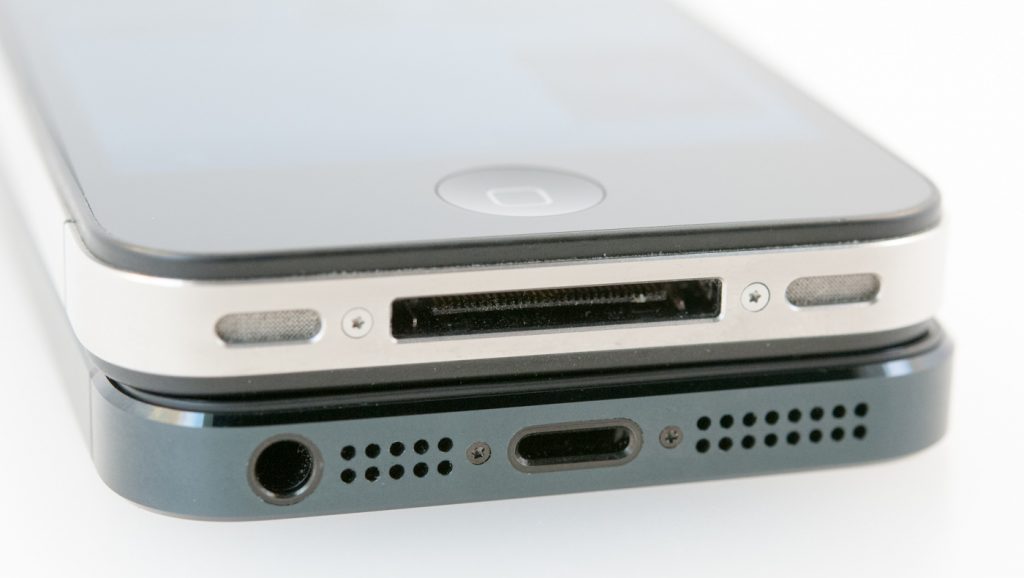
In 2009, a voluntary agreement known as a “memorandum of understanding” was reached between different phone companies in order to coalesce around a few universal chargers. This was also signed by Apple. However, it is the development of the iPhone 5 that led Apple to step away from the voluntary agreement. The iPhone 5 had a 12% more compact size than the previous iPhone 4s. Thus, to free up space for the internal components, Apple needed a smaller charging connector than their previous 30-pin connector. The phone companies in the agreement at the time were developing the next generation USB-C, but it was only expected to be completed in 2014. Therefore, Apple had to decide whether they would sacrifice the compact design of the iPhone 5, or they could create their own connectors and cause fragmentation not only in the smartphone industry but also within their product ecosystem. Finally, Apple decided to implement the latter, causing huge amounts of backlash from users in 2012, who were frustrated that the previous accessories were now obsolete. After such backlash, Apple did not want to implement another change in their accessories with the USB-C connectors in 2014. It decided to continue using the lightning cable for as long as possible, and implement it into other Apple products such as the Air Pods.
Was it beneficial for Apple?
Apple is able to change their connectors now without receiving too much backlash from its users as this was a regulation proposed by the EC. Therefore, in a way, the EC has helped Apple to change back to its original strategy to have a universal connector amongst all phone companies.
Conclusion and Future Prediction
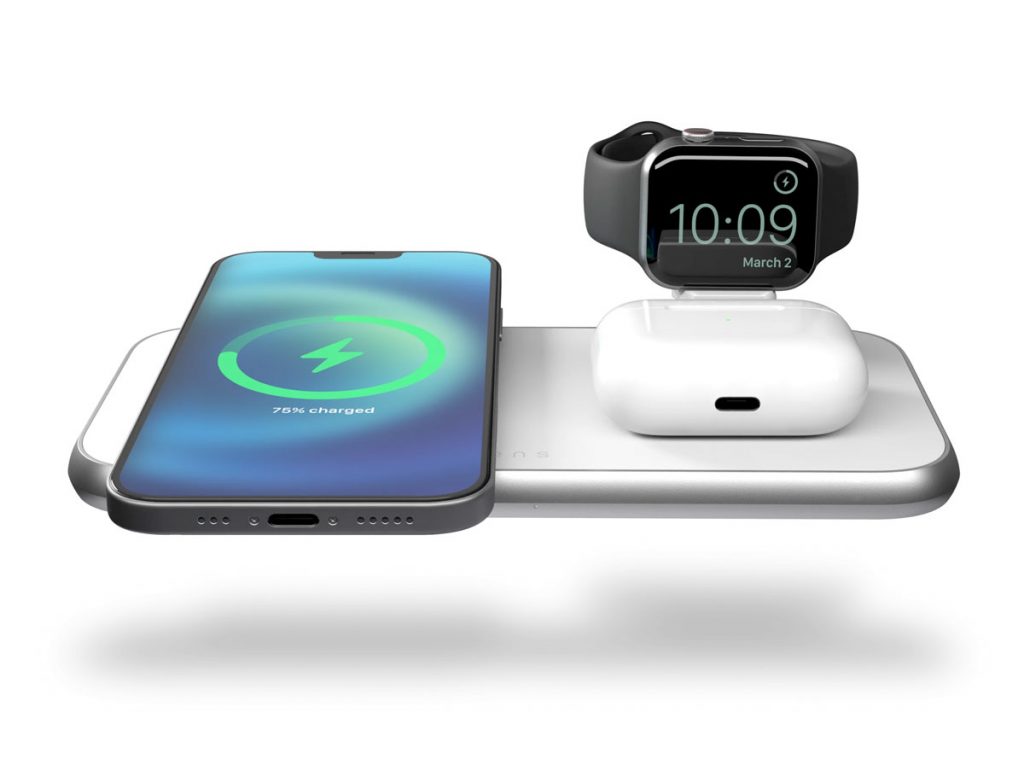
With this new proposed regulation, the EC is trying to reduce E-waste and trying to move towards to a society in which we consume differently. Smarter and less. This change may lead to initial significant costs for Apple, however, these might be lower than expected. Firstly, until the regulation is set in place and all Apple products with lightning connectors become obsolete, consumers will still be buying lightning cables. Furthermore, Apple has already made plans to implement magnetic wireless charging ports, thus, the future iPhones might not even have a charging port and will be completely wireless. As always, regulation and policy lag behind innovation, however, this regulation could accelerate the move towards wireless charging and a more coherent smartphone industry.
Sources:
https://ec.europa.eu/commission/presscorner/detail/en/IP_21_4613

Hey Hyuga!
Great article, very well written. I personally have used a Type C charger for a while already so sign me up for this change!
But looking objectively I think its good legislation. To me Apple’s argument that this rule would stifle innovation makes no sense. The chargers thus far have been so attached to products in some cases that it didn’t really matter what innovation there was in chargers since most of the time consumers are more interested in the capabilities of the phone. And besides I think this rule will lead to more companies that only produce chargers, and will strengthen competition in that realm to bring down costs and figure out what truly are the most in demand features of a charger.
I wonder if maybe there was another solution next to an outright mandate that may be less harsh and instead would incentivize firms to switch to the Type C out of their own volition. But barring that, I think this is a great piece of legislation and it will be refreshing to finally get rid of that box of chargers you mentioned that’s just gathering dust now.
Hello Hyuga,
Very interesting topic! In this comment I will share my thoughts on it.
For me pesonally it is a good change. I am a Apple user, living in a Andriod houselhold. So finding a charger can sometimes be a struggle. However, I am not sure if I agree with the way this change is implemented. The EC (intentionaly) targets Apple and is trying to change a very specific part of their product. I wonder if it is right for a government to interfere with a business in such a specific way.
Ofcourse the rise of (e-)waste is a big problem and governments around the world should be tackling this problem. I don’t, however, agree with this plan. If the EC really wants to tackle this problem, they should take more drastic decisions. For example to force manufacturers to extend the lifespan of their products. I feel that unused cable argumant is relatively weak. Cables are simply a important part of our modern digital lives and with the rise of handheld devices comes automaticely a rise of cables. They should tackle the root of this problem and not a side effect of it.
Hi Hyuga,
Great blogpost! Especially as it is a topic that concerns us all and has been very popular in the media lately.
Very interesting to read about it and to see the advantages and disadvantages of such a charger.
Nice to see that you have reacted on the reaction of Apple in which they are saying that it would discourage innovation. As you are saying that it could lead to higher innovation as switching costs decrease. I am wondering if it would really be like that!
I am very glad that the EU made this decision, as I am convinced it will contribute to a decrease in e-waste. I also think that very soon there might not be any charging cables needed as wireless charging is increasing in popularity, but I am not sure if this will be fully adopted by consumers.
Personally, I do not have much knowledge about if it will affect small electronic device manufacturers’ developments, as they might have to change all production and design plans.
I am curious to know what effect this decision of the EU had on small electronic device manufacturers and e-waste production.
Thanks a lot for the great insights, Hyuga!
What a great development! If every device could have an universal cable, it would lead to much less waste and more efficiency. It will make life a lot easier ^^ I did not understand the use of different cables at all. I do think, though, they should help Apple in making these changes.